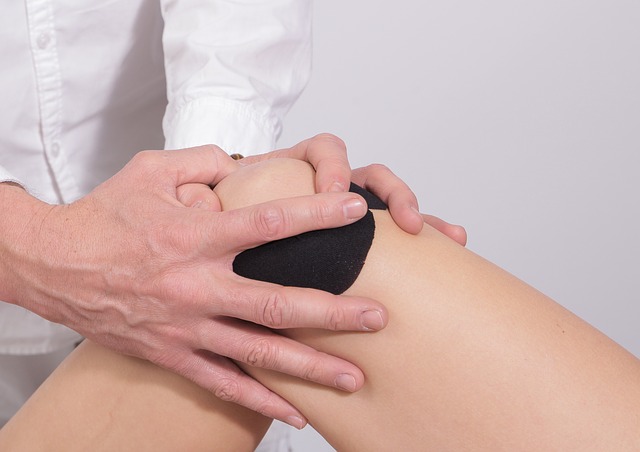
Knee Pain: Dos and Don’ts

Knee pain is a prevalent complaint that affects many people. The condition can be attributed to a few causes including medical conditions (i.e. infections, gout, arthritis, etc.) and injury (i.e. torn cartilage or ruptured ligament).

Minor cases of knee pain will respond to conventional treatment options such as chiropractic, physical therapy, and self-care measures. Devices such as knee braces may also be recommended to help ease the pain. Some cases however will require surgical repair.

If you are suffering from knee pain, consider it best to keep the following dos and don’ts in mind so that you don’t end up worsening the condition.

DOs

Rest your sore knee. When required, take a break so you can give your knee adequate time to heal. Minor knee pain often goes away after a day or two of rest. However, more severe injuries might keep you off your feet longer. Consider it best to check with your doctor if the pain does not disappear after a few days.

Use the RICE method. To treat a minor knee injury, try using the RICE method. Rest for a day or two. Ice the affected area to calm the inflammation. Compress the joint to stop fluid buildup and provide support. Elevate affected knee on a stool or pillow to minimise swelling.

Utilise a cane if needed. If your knee pain is causing you to be unsteady on your feet, consider it best to use a cane to help you move around more steadily. Opt for one that is  sturdy, has a rubber tip, and a handle that’s easy to grasp. Try holding it at a 45-degree angle to gauge if it’s the right height for you.

Watch your weight. Excess weight can put strain on your knees and increase your risk of developing arthritis and other conditions. If you need to drop a few excess pounds, aim to lose at least 5 percent of your current body weight over the next few months.

DON’Ts

Stay on the couch for too long. The importance of exercise cannot be overstated. For starters, it can help build strong muscles around the joints and can help prevent injuries as a result. After you’ve given your knee ample time to rest, try to do low-impact exercises. The idea is to not overdo it so you won’t end up injuring the knee again.

Risk trips, falls, or slips. To avoid tripping, falling, or slipping, make it a point to wear footwear with a good tread. Also, opt for low-heeled ones with soft rubber soles. In addition, make sure your home’s stairs and hallways are well lit and there’s no litter on the floor that might cause you to trip over and hurt your knees.

Forget to stretch. Before engaging in any physical activities, consider it crucial to stretch first. Keep in mind that the muscles around your knees can sometimes get tight and can cause painful injuries.

Stretching regularly can help reduce any possibilities of injury as well as muscle pain. It would also be a good idea to check with your doctor or physical therapist regarding exercises you can do to prepare for any strenuous activities.

Wear out your knees. When you overload your joints, you can end up hurting your knees. Repetitive movements like going up and down the stairs daily can wear down the knees. However, it is also not advisable to sit for prolonged periods as it can also do  your knees more harm than good.

Wear the same old shoes for prolonged periods. Footwear can stretch out after a while. That being said, refrain from wearing the same shoes after their thread and support has worn out. As a general rule of thumb, invest in new shoes that offera good support to your feet and ankles.
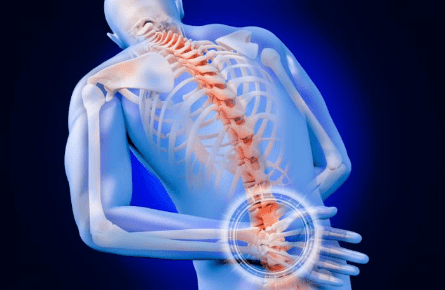
Chiropractic Care: The Non-Invasive Slip Disc Treatment

Chiropractic treatment is an effective and non-invasive treatment alternative for ruptured, bulging, or herniated discs (slipped disc). Contrary to the term, intervertebral discs don’t really “slip” the way that most people envision.

The discs are made up of the tough outer layer known as the annulus fibrosus, and the nucleus pulposus which has a soft-gelatin like center. When a crack or tearing occurs in the disc’s outer layer, the material found inside the disc can get pushed out.

Factors that Can Cause Discs to Herniate

There are several factors that can cause disc herniation. For instance, disc herniation can occur when there is too much stress on the disc over time due to excess weight or poor posture. In addition, a herniated disc can also be caused by physical injury or a combination of other factors. Often, poor biomechanics of the spinal joints and surrounding tissues, which many people may be unaware of, will lead to increased wear and tear.

Herniated Discs and Chiropractic Care

One of the best slipped disc treatments available is chiropractic care. Chiropractors treat the condition by addressing the root causes of pain and correcting dysfunctional areas which lead to degeneration of the discs. Typically, initial appointments that address herniated discs will often involve going through the patient’s medical history, doing a physical exam, and performing neurological and orthopaedic tests.

Chiropractors will be looking into several things to get to the bottom of the condition. For instance, they will check if:

●  The reflexes are intact or if the nerves are able to send messages correctly

●  If there are signs of muscle wasting or loss of muscle strength

●  If there is loss of sensation along the nerve’s path

The posture might also be looked into and an MRI or X-ray may be ordered (when needed) to further help with the diagnostic process.

Evaluating the Entire Spine

Even if a patient is only experiencing lower back pain, chiropractors will evaluate the entire spine and musculoskeletal system to gauge how it is functioning overall. Once all the needed information has been taken into account, the chiropractor will then determine if there is an intervertebral disc injury and what the best course of treatment should be.

However, not all patients are good candidates for certain types of chiropractic treatment.   For instance, patients with cauda equina syndrome will be referred out for prompt medical  intervention as opposed to chiropractic care or other forms of conservative treatment.

Also, if there’s advanced loss of sensation, reflexes, strength, as well as other atypical neurological findings, your chiropractor will refer you to a spine surgeon. Fortunately, most cases of intervertebral disc injuries can be effectively addressed by chiropractic care in combination with other therapies and rehabilitation.

Treating a Herniated Disc

To treat a herniated disc, chiropractors will create a treatment plan that may include spinal manipulation (most commonly known as adjustments), non-surgical spinal decompression (NSSD), manual soft tissue therapy, therapeutic technologies, and rehabilitative exercises. Treatment plans will be individualised to each patient’s specific condition and needs, but generally a bulk of the initial corrective process will be accomplished over a 1-3 month process.

The specifics of the treatment plan will be particular to the patient’s starting symptoms, level of activity, severity of the slipped disc, age, and overall health factors. Don’t hesitate to ask questions from your chiropractor about your specific condition and needs. It is important that you are not only aware of the procedures being done, but why they were chosen and how it can relieve your pain most effectively.

Design a site like this with WordPress.com
Get started